
A professional basketball team based in Philadelphia, Pennsylvania, the 76ers were founded in 1946 and have since become one of the most successful franchises in the history of basketball. While their success on the court is renowned, it's worth examining the rich history behind their iconic logo.
This article dives into the story behind this beloved symbol, from its early beginnings to how an entire city embraced it.
The Early Years: The Origin of the Logo
Since its founding in 1946, the Philadelphia 76ers have undergone several logo changes to reflect various eras. However, one thing has remained consistent – a silhouette of Benjamin Franklin’s profile. This wasn’t always the case, though. Initially, their logo featured three stars with a ball at its center, reflecting traditional American symbolism. The then General Manager Leo Ferris created it as a patch for players' uniforms and it first appeared during the 1965-1966 season.
The Middle Years: Expansion and Refinement
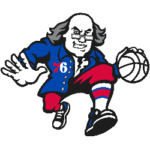
Philadelphia 76ers Alternate Logo 2015 - Present
In the 1969-1970 season, ownership updated their look and unveiled a new logo featuring Benjamin Franklin’s face with “76ers” written around it in gold lettering. They chose this design because they wanted something that paid tribute to Philadelphia's rich history while also embracing its modernity and vibrancy.
This era also saw them embrace blue & white as their official colors – another nod to past and present generations of Philadelphians who proudly wear these colors year-round.
During this period of expansion and refinement, the team focused on perfecting minor details such as letter spacing and ensuring that every line within Franklin's face aligned perfectly with each other - features that can still be observed on all team merchandise today.
Furthermore, they ensured that all color combinations reflected carefully picked hues that would remain timeless, regardless of fashion trends or changing tastes. While subtle changes were made throughout his period, such as switching out some fonts or eliminating certain elements (like removing “Phila” from around Franklin’s head), it mainly stayed true to form until 1999, when it underwent its most significant transformation yet.
The Modern Era: A Logo for a New Generation
In 1999, ownership decided it was time for another update to keep pace with an ever-changing sports market that demanded fresh designs from teams across all leagues. The result was the version we see today-Benjamin Franklin’s head covered in stars with “PHILA 76ERS” written above him in bold font typeface. The logo became an instant hit among fans and media alike, who praised its sleek look and feel while honoring Philadelphia's past with subtle nods to American Revolution imagery (the stars).
In addition, 2006 marked another significant milestone for the team as they replaced the red and white stripes on their uniform shorts and jerseys with blue and white ones, further solidifying their commitment to staying true to their form, even amidst the rapid changes in professional sports leagues. It's worth noting that during this time, NBA odds and betting lines were gaining popularity, reflecting the growing interest in the sport among fans and bettors.
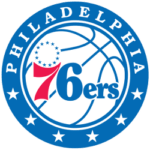
Philadelphia 76ers Primary Logo 2015 - Present
In 2009, several minor tweaks were made to the Philadelphia 76ers logo, solidifying it into one of the most recognizable modern sports logos. It is simple yet distinctive, instantly identifying the team, whether seen on jerseys, hats, or other items.
The Bottom Line
For nearly 75 years and numerous logo revisions, from classic American symbols to contemporary designs, the City of Brotherly Love now boasts an iconic representation in basketball. This is mainly due to the enduring legacy of Benjamin Franklin, whose influence has been immortalized in the hearts and minds of millions of dedicated Sixers fans worldwide.
As long as the game is played just a few blocks from the Liberty Bell in Center City, Philadelphia, the ringing of hearts and the beats of passionate supporters will continue to signify the generations of pride for the hometown heroes, the Sixers.