

Each sports team logo has a backstory. The history and aspirations of a team are embodied in that jersey's sewn symbol before a single whistle sounds or the crowd erupts. Sports logos have evolved alongside culture and art, from the brash, hand-drawn signs of the early 20th century to the sleek, minimalist forms of today. They are cultural snapshots that show what each age values —whether innovation or tradition —and they are beyond mere visual markers.
Early Times: Traditions and Handicrafts
Simplicity and symbolism were key components of sports logos. Bold and hand-drawn logos that were instantly recognizable from a distance were adopted by teams such as the Chicago Cubs and the New York Yankees. In an era without digital reproduction, these logos frequently depended on monograms and simple imagery, such as an animal or a baseball bat, because visual clarity was essential.
Using conventional tools, designers created symbols that signified not only a team but also the working-class ethos and local pride of a place, making them more like artisans than marketers. For example, the Yankees' interlocking "NY" came to represent the city of New York's grit as well as the team's long-term success. It was timeless because it encapsulated an identity that never needed to be fixed, not because it fought change.
Overdesign, Attitude, and Edge
The logos of the 1990s were loud and unabashedly bold, in contrast to the clean, businesslike designs of the mid-century. Neon gradients and irate mascots were popular during this decade. The explosion of pop culture and video games drove teams' desire to project an excessive, exaggerated image.
 This vitality is reflected in logos from this era. The original Toronto Raptors logo exuded individuality. The NHL's Mighty Ducks, the NFL's Jacksonville Jaguars, and the NBA's Vancouver Grizzlies all adopted bright designs that reflected the decade's vibrant disarray.
It's interesting to note that this similar aesthetic flair was present in other entertainment industries that arose around that time, such as the early digital interfaces of online blackjack platforms, which, like the sports teams of the time, embraced bright lights and vivid colors to convey enthusiasm and energy. Both sectors used design to draw spectators into the action and flourished on spectacle and personality.
Commerce, Character, and Color
Teams came to understand that a powerful logo was a brand, not merely a mark. Brighter colors and mascots that could leap off the screen were all introduced during this time.
Consider the 1966 introduction of the Chicago Bulls' fearsome red bull or the Los Angeles Lakers' golden basketball insignia. These logos were created with the intention of selling, not only identifying. Teams started actively considering how their marks would appear on headgear and billboards, as merchandise had a major influence on logo design.
Current Minimalist Trend
The sports design industry saw a dramatic shift toward simplicity in the 2010s and beyond. Teams began flattening and simplifying their logos for the digital era, inspired by global tech branding.
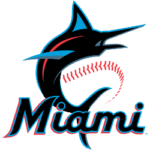 Juventus, the Brooklyn Nets, and the Miami Marlins all adopted minimalist rebrands that reduced their visual identities to monochromatic color schemes and sans-serif fonts. The objective? Scalability and versatility. Now, logos had to look just as nice on a smartphone app icon as they would on a 50-foot stadium screen.
A sports logo is the lifeblood of a team's identity, not just ink and pixels. It has memories and triumphs from decades past. What matters most is how it appeals to admirers because the emotional bond endures beyond fleeting fashion trends.