
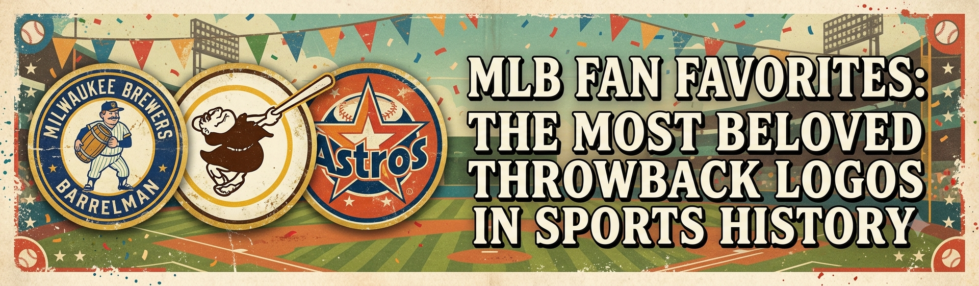
When you walk into a modern baseball stadium or browse an online sports apparel store, you will immediately notice something fascinating. Alongside the sleek, modern jerseys and high-tech athletic gear, there is a massive sea of vintage neon colors, smiling cartoon mascots, and quirky, hand-drawn letters. Major League Baseball fans do not just tolerate these old-school designs; they actively obsess over them, especially the nostalgic Throwback Logos.
From the iconic Milwaukee Brewers “ball-in-glove” emblem to the classic, colorful geometry of the Montreal Expos, retro sports merchandise is more popular today than ever. This widespread trend raises an interesting question about human nature. Why do we care so much about imagery from decades ago? If we view this phenomenon through a psychological lens, we quickly discover that a baseball logo is never just a clever piece of corporate marketing. It is a powerful cultural symbol representing family memories, local pride, and personal history.
Throwback baseball logos are deeply beloved because they touch our emotions, serving as a steady psychological anchor that helps us define who we are in a rapidly changing world. These Throwback Logos remind us of our past and our connections to the game.
Why Our Brains Love Retro Designs
The deep emotional connection we feel toward old-school imagery is rooted in the psychology of nostalgia. Nostalgia was once viewed by scientists as a negative state of mind, but modern psychology shows it is actually a highly healthy emotional resource. When life feels chaotic, fast-paced, or overwhelming, looking at objects from our past acts as a gentle mental safety net. It rewires our current feelings by reminding us of a time that felt simpler, safer, and more predictable.
While a stressed professional might use a modern ai therapy app to actively process day-to-day anxiety and track cognitive habits on their phone, putting on a vintage baseball cap provides a completely different, immediate kind of emotional comfort. Older logo designs are highly effective at triggering these warm feelings because they were crafted by hand using simple shapes and bold lines. This artistic simplicity makes them incredibly easy for the human brain to recognize, process, and bond with emotionally.
For many people, seeing a specific retro symbol instantly reminds them of attending hot summer games with their parents or listening to matches on the radio with grandparents, keeping cherished family legacies alive.
Rebellion Against the Corporate Look

Another major reason throwback logos have successfully captured our hearts is a growing cultural desire for authentic, human-centric design. In our fast-paced modern digital era, many professional sports teams have completely updated their visual identities to look incredibly sharp, polished, and perfectly optimized for smartphone screens or corporate presentations. However, this rigid level of clinical perfection can easily backfire. When a logo becomes too clean, it often feels cold, sterile, and totally stripped of its original, unique soul.
In sharp contrast, vintage baseball logos routinely embrace a wonderful sense of playfulness and artistic quirkiness. Think of the memorable swinging friar of San Diego or the bright, exploding star of the Houston Astros. These historic designs do not look like they were created by an uninspiring corporate marketing committee; instead, they feel like genuine pieces of colorful community art.
Choosing to wear a bold, unusual throwback logo serves as an active, fun exercise in authentic self-discovery. It allows individual fans to deliberately step away from generic modern trends, fully express their unique personal style, and show the world that they truly value real character and deep history over cold, empty, and clinical corporate team brand polish.
Building a Digital and Physical Tribe
Human beings possess an intense, evolutionary need to belong to a supportive community, and sports logos serve as an instant visual shorthand for finding your tribe. When you wear a throwback logo out in public, you are sending a clear social signal to everyone around you. It acts as an immediate conversation starter, allowing total strangers to instantly lock eyes, smile, and trade stories about legendary players, historic stadiums, or classic game-winning home runs. This sense of connection is just as powerful in online fan forums and social media spaces where younger generations gather to discuss sports history.
There is immense psychological joy in young fans deliberately adopting the retro logos of the past. By wearing the gear their parents wore, they honor the deep history of their favorite team and build a meaningful bridge across generational divides. These classic symbols remind an entire city of its shared history, uniting people around old-school victories and community triumphs from long before the current roster was even born.
Final Thoughts
The enduring popularity of classic baseball emblems proves that the most successful designs are those that touch our emotions rather than just our fashion sense. Players will inevitably retire, old stadiums will be demolished to make way for new structures, and the official rules of the game will adapt to modern times. Yet, despite all of this constant movement and change, our core human need for a sense of belonging, continuity, and comforting memories remains exactly the same.
Throwback logos give us a tangible way to hold onto the pieces of our history that brought us pure, uncomplicated happiness. They remind us of who we were, where we came from, and with whom we shared those beautiful moments. By keeping these vintage symbols alive on our clothes and in our communities, we ensure that the timeless spirit of the game continues to ground, connect, and inspire us for many generations to come.