

Logos in the United States experience more than their share of decorative logos. They hold cultural significance, enabling fans to share a sense of history, lineage, tradition, success, community, and spirit.
The trend of modifying brand logos in this industry was initially started by land-based casinos. Currently, online casinos keep the same tendency, as you can see when watching big win videos aggregated. The same applies to sports. When the team decides to change or redesign the logo and retire the logo, it is also usually retiring the jerseys (the connection to a team is usually associated with the team's design or logo, and the uniforms connected to the team).
The process of change will provoke both private and public conversations surrounding the logo—some of which will be related to trends, vested interests revolving around culture, and the changing of the logo itself.
The process of logos in the continuum of sports logos during the rebranding stage in the United States—considering retirement and rebranding for the same logo if used again—could be explored as a case study of culture, design, and sport.
Cultural Shifts: Retiring Controversial Logos
Logos in sports convey profound cultural value and normative views. When society's notions change, teams and organizations will decide to retire or change logos deemed as offensive or antiquated.
The rebranding of sports logos encompasses elements beyond just a logo; it draws attention to social issues and how sports organizations might act and adapt to cultural changes.
The process of rebranding logos enables sports organizations to celebrate their history and origin while promoting ethics reflective of the current culture, thereby enhancing the experience for all fans.
Cleveland Indians — Cleveland Guardians
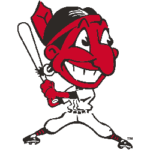 The Cleveland Indians have been tied to the intentionally cartoony “Chief Wahoo” logo for decades: a badge that was adored by some and dismissed as an offensive caricature of Native Americans by many others.
After fifty years of protests and intensifying corporate politeness, the team retired Chief Wahoo in 2018 and rebranded as the Cleveland Guardians in 2021.
The Guardian's name was borrowed from the statues on Cleveland’s Hope Memorial Bridge, the “Guardians of Traffic,” and represented a contemporary, localized brand in contrast to a caricature and all the controversy attached to it.
Washington Redskins — Washington Commanders
The name and logo of the Washington Redskins have come under fire for so long in the NFL that Indigenous groups have called them racist.
In 2020, during the broader cultural reckoning across the United States, the franchise dropped the name and logo, referring to itself as "the Washington Football team" until it rebranded as the Washington Commanders in 2022.
The rebranding reflects how social and corporate pressure can lead to the transformation of a branded sports identity that has lasted over 100 years.
Honoring Tradition: The Power of Nostalgia
Nostalgia is a significant influence on sports branding and marketing, comparable to modernization. Logos represent years of history, fan attachment, and cultural significance, serving as symbols of a franchise’s history and identity that will endure forever.
At times, rebrands position teams to protect their history and long-standing image while also modifying aspects that fans love, which makes logos feel appealing while trying to advertise a new and updated brand.
These distinctions create an emotional attachment in fans to a team’s history and tradition. The idea is that respect for tradition and nostalgia can generate as much impact as embracing the future.
Milwaukee Brewers’ Ball-in-Glove
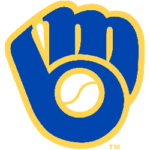 There are very few logos that evoke nostalgia as effectively as the Milwaukee Brewers' logo featuring the "ball-in-glove" design.
The logo was introduced in 1978 and is an ingenious assembly of the letters "m" and "b" sitting inside a baseball glove. It soon became one of the most recognizable logos in all of Major League Baseball.
After reviewing multiple new branded logos, fan demand led to the revival of the loving logo in 2020, albeit with minor updates to the original design. It goes to show that at times, the best branding move is to honor what the fans already love.
New York Jets’ Retro Identity
The New York Jets have undergone multiple rebrandings, incorporating a combination of modern and retro designs since the 1960s.
In 2019, the Jets launched a new mark that retained a hefty stigma of ambitious NFL stylistic commitment to a slimmer football shape and bold lettering, with a disappearance of old-school inspiration pulled from their retro look of the Joe Namath era.
The franchise's inclination to modernize while retaining retro designs suggests an effort to reach out, particularly to their veteran fan base and newer audiences.
Bold Modernizations
Some franchises take on rebranding as a bold statement of their identity and goals. Within the football realm, a logo change is a definable moment that can change a team from an eccentric upstart to a serious competitor.
Apart from changing a specific mascot or designing new designs, rebrands energize fans, reflect a fierce competitive spirit, and are often a sign of positive output moving forward.
Tampa Bay Buccaneers’ From “Bucco Bruce” to the Pirate Flag
In 1976, the Tampa Bay Buccaneers unveiled their first logo, "Bucco Bruce", depicting an orange pirate. Bucco Bruce was both unique and memorable, but the logo was also the subject of considerable ridicule.
In 1997, the Buccaneers introduced a new brand identity, featuring a dark red flag with a skull and swords as its logo.
The logo change coincided with the organization's climb to the ranks of one of the better NFL franchises, eventually winning Super Bowl XXXVII, and serves as a good example of a long-overdue, substantial logo change signifying a change in direction.
Seattle Seahawks’ Tribal Inspiration
 In 1976, as a new NFL franchise, the Seattle Seahawks chose a logo based on the form of Native American art representative of the Pacific Northwest.
They updated the current logo in 2002 to include more defined lines and a more aggressive look, while modernizing it with contemporary design trends to once again reflect cultural links in a contemporary context.
It gave the Seahawks a new image, allowing them (along with their new branding) to become one of the most recognized logos in the NFL.
Hockey and Basketball Transformations
Hockey and basketball logos have evolved in their branding from humorous beginnings to a more refined, professional-looking aesthetic, reflecting cultural maturation, nostalgic influences, and modern elements. The way team branding changes across states demonstrates how team brands adapt in response to cultural and marketing influences.
NHL: Mighty Ducks of Anaheim — Anaheim Ducks
The current Anaheim Ducks began in 1993 as the Mighty Ducks of Anaheim—a name associated with a Disney movie series.
The Mighty Ducks logo, featuring a cartoon goalie mask in the shape of a duck's bill, was very popular among children but not taken too seriously in the hockey world.
When Disney sold the franchise in 2006, the new owners changed the name to the Anaheim Ducks and produced a tidy and streamlined logo in text only. Although the slick look was certainly not as childish, many fans still wear old Mighty Ducks merchandise for nostalgia.
NBA: Toronto Raptors’ Dino to Modern Claw
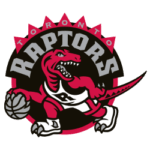 The Toronto Raptors introduced themselves to the world in 1995 with a cartoon dinosaur dribbling a basketball, which fit well with the tone of the 1990s, often referred to as the "Jurassic Park" decade.
In 2015, the team introduced a more minimalist claw logo, featuring a basketball, which reflected the direction of the overall NBA brand designs.
This logo was also evidence of the team's growth beyond a novelty expansion team into a swaggy international brand, which continued with their NBA Championship in 2019.
League Logos: The Icons Above the Teams
Brand identities for teams are always evolving, and so are their respective leagues:
- NBA logo (1969): Designed by Alan Siegel, the NBA lettermark is inspired by Jerry West's silhouette, which has remained remarkably similar and become one of the most recognizable sports marks internationally.
- NFL Shield: The NFL lettermark was first introduced in 1940. The logo has been refined several times, with the latest update in 2008, which reduced the number of stars to eight (one for each division) and modified the football graphic.
- MLB Logo (1969): This time-honored design by Jerry Dior created a lettermark featuring a batter silhouetted against a red and blue background. Its simplicity enabled the mark to remain relevant for over fifty years, with only minor digital refinements.
Why Logos Change
Altering an athletic logo is never a routine choice—it has significance, history, and feelings tied to supporters.
Teams do things for a handful of reasons, such as the following:
- Cultural Sensitivity: outdated or offensive imagery is no longer relevant to modern people.
- Modern Design: Clean logos are better suited for both digital and physical platforms, and, more importantly, are more adaptable.
- Marketing and Merchandising: updating a logo generates new sales and excitement.
- Organizational Change: new ownership, new stadiums, a new era - these things often warrant a symbolic change.
When Identity Meets Design: The Legacy of American Sports Logos
The story of sports logos in America is the story of identity, culture, and change, some of which reflect the larger societal shifts we see, as evident in the Cleveland Guardians and Washington Commanders rebrands.
Some logos, such as the Brewers’ ball-in-glove or Bucco Bruce, demonstrate how nostalgia and fan relationships can occupy space and time in the lives of fans.
Other logos, such as the Raptors' logo redesign featuring their claw and the Seahawks' logo, highlight how logos do, in fact, evolve with the times to remain more relevant in an increasingly global and digital landscape.
Overall, sports logos are more than just a brand; they are living symbols of tradition, change, and the bond that connects a team and its fans.
===
Sports Logo History is a vibrant community of sports logo enthusiasts who share a deep appreciation for the captivating histories behind each team's logo. We take pleasure in exploring the evolution of primary logos, alternate logos, and wordmark logos from renowned leagues such as the NFL, NBA, MLB, MLS, NHL, Premier League, WNBA, CFL, NCAA, UFL, ABA, USFL, AAF, and XFL. Immerse yourself in the intricate details and stories behind these iconic symbols that represent the essence of each team.
In the enthralling realm of sports, the battle of logos among different leagues unfolds as a captivating and ongoing spectacle. Step into the world of Sports Logo History, where we showcase the relentless pursuit of distinction by leagues such as the NFL, NBA, MLB, Premier League, and countless others. Witness the captivating journey as each league strives to create logos that not only capture the essence of their sport but also resonate deeply with fans.
Immerse yourself in the comprehensive sports history provided by Sports Team History, our esteemed partner site, where you can discover the triumphs, challenges, and defining moments that have shaped the legacies of professional sports teams. Stay up to date with the latest sports news through Sports News History, a platform delivering 24/7 coverage of highlights, player interviews, and game analyses. Additionally, express your unwavering support for your favorite teams by exploring Sports Store History, the premier sports team marketplace offering a vast selection of jerseys, memorabilia, and collectibles. Join our community today and celebrate the rich history, iconic logos, and passion of sports.
