

The Arizona Cardinals stand as one of the National Football League’s oldest and most historically rich franchises, with a legacy that stretches back over a century. The evolution of their logo mirrors this storied journey, from humble beginnings in Chicago to a bold desert identity in Arizona.
Origins in Chicago: The Birth of the Cardinals' Identity
 The roots of the Arizona Cardinals trace back to 1898, when the team was first founded as the Morgan Athletic Club in Chicago. This modest neighborhood team would go on to become one of the cornerstones of professional football history. By 1920, the organization had become a charter member of the newly formed National Football League, establishing its formal place in American sports.
The team’s defining name originated in a practical move by founder Chris O’Brien. Upon purchasing a set of faded red jerseys from the University of Chicago, O’Brien famously declared that the uniforms were “not maroon, but cardinal red.” That vivid hue would forever tie the team’s name and identity to the cardinal bird, symbolizing pride and spirit.
The 1947 Logo: A Cardinal on the Laces
The first widely recognized version of the team’s logo debuted in 1947, featuring a Northern cardinal perched on the football's laces. This marked the franchise’s initial foray into visual branding, an effort to translate the team’s namesake into an emblematic design.
This 1947 design reflected the optimism of postwar America and the growing cultural importance of professional football. The perched bird was simple, almost understated, but it captured a spirit of endurance and rebirth that paralleled the country’s energy during the late 1940s.
Transition to St. Louis: A New Chapter in 1960
 In 1960, the team relocated from Chicago to St. Louis, ushering in a new phase of its identity. The move represented both an expansion of the NFL’s reach and a rebirth for the Cardinals franchise, which sought to establish itself in a market hungry for football.
Interestingly, the logo itself remained mostly intact during this transition. The continuity of the red bird was deliberate, serving as a visual bridge between the team’s Chicago heritage and its future in St. Louis. The design symbolized consistency in the face of change, maintaining brand recognition even as the team’s geography shifted.
Rebranding to the Phoenix Cardinals in 1988
 The franchise relocated once again in 1988, this time to Arizona, adopting the name Phoenix Cardinals to reflect its new Southwestern home. This rebrand came with renewed ambitions, positioning the team as part of a rapidly growing sports culture in the desert.
For Arizona-based fans and bettors, the Cardinals’ branding holds real resonance, and the team’s identity plays into how Arizona sports betting promo codes are marketed and consumed within the state. The combination of regional pride and evolving marketing power elevated the franchise’s profile beyond traditional football fandom, cementing the Cardinals’ visual identity within Arizona’s sports culture.
Becoming the Arizona Cardinals in 1994
In 1994, the organization adopted the broader name “Arizona Cardinals,” a change that symbolized inclusion for fans across the entire state rather than just the city of Phoenix. This statewide recognition reflected an intent to unify Arizona’s football community under one banner.
While the logo itself didn’t drastically change at this point, minor refinements helped align it with the updated name. Typography and presentation were modernized to align with emerging design standards of the 1990s, while maintaining the classic cardinal emblem and improving its versatility across print and digital formats.
The 2005 Redesign: A Modern Bird of Prey
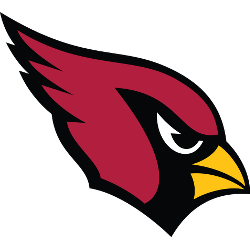 The most significant transformation arrived in 2005 when the Cardinals introduced their current logo. The new design featured a forward-leaning bird head with cardinal-red plumage accented by black and white trim. This contemporary look signified speed, aggression, and precision, encapsulating the modern NFL spirit.
The 2005 update wasn’t merely cosmetic; it was strategic. The sharper angles and more dynamic shape were intended to project motion and competitiveness, essential traits for a franchise striving to shed its underdog image. The redesigned cardinal eye, sharper and more defined, communicated determination and defiance.
Symbolism in Cardinal Red
The iconic cardinal red color carries deep symbolic meaning. Beyond representing the team’s original name, it stands for strength, passion, and perseverance. This choice connects back to the jersey's 1898 origins, when its hue inspired the team’s identity. logos-world.net+1
Cardinal red has become more than a color for the franchise; it is an emotional signature. Fans instantly associate the shade with loyalty and endurance, qualities that have defined the Cardinals’ long and complex journey through multiple cities and eras.
The Role of the Logo in Brand Continuity
From Chicago to St. Louis to Arizona, the cardinal's consistent presence has provided continuity amid constant change. Each logo iteration maintains a visual lineage that connects generations of fans, reinforcing a sense of tradition and belonging.
Few franchises have relocated as often or reinvented themselves as dramatically as the Cardinals, yet their logo remains a testament to resilience. It serves as both a historical artifact and a living emblem, representing the enduring spirit of one of the NFL’s founding franchises.
The Cardinals’ Logo in Modern Sports Marketing
Today, the sleek 2005 bird head logo extends beyond helmets and uniforms, dominating merchandise, digital media, and promotional campaigns. The design’s adaptability allows it to thrive across platforms, from televised broadcasts to social media.
The team’s modern aesthetic aligns with the NFL’s global branding strategies, helping the Cardinals reach fans outside the United States. Its sharp, instantly recognizable profile makes it an ideal symbol for a franchise rooted in heritage yet poised for modern expansion.
Continuity and Transformation Across Eras
Every version of the Cardinals’ logo has acted as a bridge between the franchise’s deep past and its evolving present. While the 1947 design symbolized simplicity and heritage, the 2005 update embraced dynamism and modern design principles, blending nostalgia with progress.
From the Morgan Athletic Club’s basic beginnings to today’s highly stylized emblem, the Arizona Cardinals logo captures a 127-year story of transformation, adaptation, and pride. It remains a symbol of identity, endurance, and the everlasting connection between history and the competitive heart of American football.
The Cardinals’ Logo Legacy
What began as a faded set of jerseys purchased by Chris O’Brien evolved into one of the NFL’s most recognizable marks. That story underscores how a simple design choice in 1898 sparked an enduring identity still thriving more than a century later.
Today, the Arizona Cardinals’ bird head is not just a sports logo but an icon of the desert, symbolizing tenacity, heat, and unyielding spirit. The evolution of the Cardinals’ visual identity stands as a vivid chronicle of the franchise’s commitment to honoring its past while boldly flying toward its future.
===
Sports Logo History is a vibrant community of sports logo enthusiasts who share a deep appreciation for the captivating histories behind each team's logo. We take pleasure in exploring the evolution of primary logos, alternate logos, and wordmark logos from renowned leagues such as the NFL, NBA, MLB, MLS, NHL, Premier League, WNBA, CFL, NCAA, UFL, ABA, USFL, AAF, and XFL. Immerse yourself in the intricate details and stories behind these iconic symbols that represent the essence of each team.
In the enthralling realm of sports, the battle of logos among different leagues unfolds as a captivating and ongoing spectacle. Step into the world of Sports Logo History, where we showcase the relentless pursuit of distinction by leagues such as the NFL, NBA, MLB, Premier League, and countless others. Witness the captivating journey as each league strives to create logos that not only capture the essence of their sport but also resonate deeply with fans.
Immerse yourself in the comprehensive sports history provided by Sports Team History, our esteemed partner site, where you can discover the triumphs, challenges, and defining moments that have shaped the legacies of professional sports teams. Stay up to date with the latest sports news through Sports News History, a platform delivering 24/7 coverage of highlights, player interviews, and game analyses. Additionally, express your unwavering support for your favorite teams by exploring Sports Store History, the premier sports team marketplace offering a vast selection of jerseys, memorabilia, and collectibles. Join our community today and celebrate the rich history, iconic logos, and passion of sports.
