

Significant changes often mark the impressive history of sports clubs. One of the most prominent of these changes is the evolution of logos. Logos represent a club, showcasing its history, values, and goals. As time has passed, various sports clubs have chosen to alter their logos for different reasons. With this in mind, let’s explore why sports clubs change their logos.
Firstly, changing the logos of sports clubs is not just about an aesthetic alteration or a decision made impulsively. It is a notable change that reflects more than just visuals. One of the main reasons sports clubs change their logos is to initiate a rebrand, separating the old from the new. This is a type of marketing strategy that changes the image of an organization. This is particularly relevant as clubs are increasingly discussed in terms of ‘the brand,’ and sponsorship deals are entered into with global corporate partners. It enables sports clubs to remain relevant, showcase their new direction, and appeal to an even wider demographic. Rebranding is not just exclusive to sports clubs. This trend can also be compared to online gaming, as many changes are being made, including the title images for various games on bingo sites. This helps casino fans stay engaged with these types of games and can help reach a broader audience.
Furthermore, as we now live in a society where technology is advancing and people are becoming increasingly concerned with keeping up with these developments, sports clubs have decided to update their logos for modernization purposes. As many different organizations change their logos and identities, sports clubs are following suit, showcasing that they can keep up with modern trends. A contemporary, fresh, stylish logo is pivotal in helping sports clubs present themselves as dynamic and progressive, allowing them to part with their old identity.
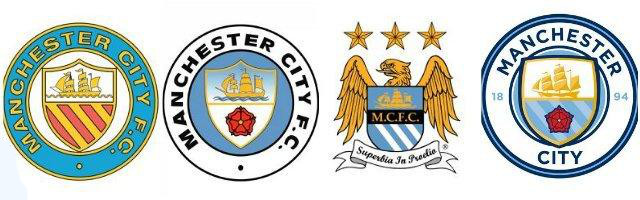
In addition, as football is a global sport, many clubs attract support from people worldwide, not just those in their local area. A top priority for many sports clubs is to create logos that are easily recognizable everywhere, thereby garnering widespread appeal. For example, when Manchester City was acquired by the Abu Dhabi United Group in 2008, it transformed into a trendy and successful club. As time passed, they updated their logo to a simple emblem with a circular design featuring the team name in clear, legible text. This helped them gain even more supporters and attract more interest in their specific sports club.
Moreover, football clubs have established a robust social media presence, with many large clubs garnering millions of followers and fans on platforms such as Facebook and Instagram. Creating a new logo can be incredibly positive for their social media efforts, gaining them exposure and allowing them to be instantly acknowledged. As many sports clubs now opt for simpler logos, they can also be easily changed and scaled to cater to various applications, such as presenting themselves as an icon on a small screen or being displayed as a poster in a stadium.
As a result, many sports clubs have switched to logos that are more straightforward and easily recognizable on a smartphone screen. For example, sports clubs have made their logos more universal, appealing to a broader audience rather than an exclusive group of supporters. They may eliminate any niche messages in their logo or links to specific locations, meaning they can attract more fans interested in their sports club without making them feel unwelcome.
Similarly, sports clubs have attempted to ensure that their logo is not time-specific and will remain relevant beyond the present day. Although many club logos still acknowledge the past in some way, sports clubs are careful to embrace younger generations of sports fans without isolating them by promoting a message that their club is exclusive to those who have been around for a long time. However, they are also aware that they shouldn’t change their logo too frequently, as this could dilute their brand and result in confusion among fans.
Overall, there are various reasons why sports clubs change their logos. Many of the most recognizable logos have transformed over the last few years, with British clubs and those worldwide making these changes. Whether it is to symbolize a new era or initiate a rebrand, these sports clubs are acutely aware of the power a logo change can have. The impact of such changes can be substantial, influencing how fans and the broader public perceive the club.
___
Sports Logo History is a vibrant community of sports logo enthusiasts who share a deep appreciation for the captivating histories behind each team's logo. We take pleasure in exploring the evolution of primary logos, alternate logos, and wordmark logos from renowned leagues such as the NFL, NBA, MLB, MLS, NHL, Premier League, WNBA, CFL, NCAA, ABA, USFL, AAF, and XFL. Immerse yourself in the intricate details and stories behind these iconic symbols that represent the essence of each team.
In the enthralling realm of sports, the battle of logos among different leagues unfolds as a captivating and ongoing spectacle. Step into the world of Sports Logo History, where we showcase the relentless pursuit of distinction by leagues such as the NFL, NBA, MLB, Premier League, and countless others. Witness the captivating journey as each league strives to create logos that not only capture the essence of their sport but also resonate deeply with fans.
Immerse yourself in the comprehensive sports history provided by Sports Team History, our esteemed partner site, where you can discover the triumphs, challenges, and defining moments that have shaped the legacies of professional sports teams. Stay up to date with the latest sports news through Sports News History, a platform delivering 24/7 coverage of highlights, player interviews, and game analyses. Additionally, express your unwavering support for your favorite teams by exploring Sports Store History, the premier sports team marketplace offering a vast selection of jerseys, memorabilia, and collectibles. Join our community today and celebrate the rich history, iconic logos, and passion of sports.
