

The New York Giants, an iconic NFL franchise established in 1925, has a rich visual history that mirrors its storied past. The team’s logos have evolved significantly, reflecting changes in design trends and the franchise’s own identity.
The Early Years: 1925-1944
Initially, the Giants didn't have a formal logo. The team's identity was primarily tied to its uniform colors and simple lettering. It wasn’t until post-World War II that the Giants introduced a more formal logo.
The Birth of an Icon: 1945-1960
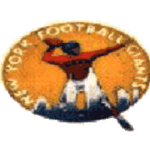 The first notable logo appeared in 1945. It introduced a giant quarterback set against the New York skyline, an image that captured the essence of the team and the city. This logo was oval, resembling a football, with the quarterback in a dynamic throwing pose. This emblem was symbolic, representing both the sport and the metropolitan backdrop of New York City.
Stylization and Modernization: 1961-1974
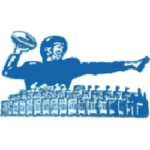 The 1960s shifted towards minimalism by introducing a stylized “NY” in lowercase, a significant departure from the previous elaborate illustrations. This logo, first introduced in 1961, emphasized a modern and sleek design that focused solely on the team's initials, representing a more corporate and brand-aware approach.
The Meadowlands Era: 1975-1999
 In 1976, coinciding with the team's move to New Jersey, the logo changed to the word "GIANTS" in uppercase, which was used for over two decades. This era’s logo was bold and straightforward, matching the robust and concise nature of the football played during this period.
Returning to Roots: 2000-Present
The millennium marked a return to the classic "NY" logo, albeit updated with a dark blue color and a red outline. This logo reintroduced elements from the 1961 design, but with a modern twist. The decision to revert to a historical design was likely driven by a desire to connect with the team's heritage while maintaining a contemporary appeal.
The Brand's Influence on Team Dynamics and Fan Engagement
 The evolution of the New York Giants logo marks changes in aesthetic preferences and parallels shifts in the team's dynamics and its relationship with fans. As branding elements like logos often do, the Giants' evolving emblem has played a subtle yet impactful role in shaping team culture and fan expectations. This influence extends to various aspects of team management, including marketing strategies and merchandise sales, directly affecting how fans connect with the team.
Furthermore, the iconic status of the logo contributes to the New York Giants odds in the broader cultural and sports betting landscapes. A strong, recognizable brand can enhance team morale and fan loyalty, factors that indirectly influence performance on the field and betting odds off it. The logo acts not just as a visual identifier but as a banner under which fans rally, enhancing their collective and individual experiences of the game, season after season.
Logo Design and Impact
Throughout its history, the Giants' logos have employed a dark blue and red color palette, which has remained consistent and reinforced the team's identity. The logo's evolution from elaborate illustrations to simplified, bold lettering reflects broader trends in graphic design and professional sports branding.
Each iteration of the logo has its own story, closely tied to the era it represents. From the detailed depictions of players to the streamlined letters, the Giants’ logos symbolize the team and its era, challenges, and triumphs. The current use of the "NY" logo is a tribute to the team’s enduring legacy and a nod to its future aspirations.
Wrap Up
The New York Giants’ logo history is more than just a series of design changes. It reflects the team's journey, the evolving landscape of professional sports branding, and the unbreakable bond with its home, New York. As the Giants continue to evolve, so too will their visual identity, promising a future where tradition and modernity continue to blend seamlessly.