

Football club logos are far more than mere symbols - they're the visual embodiment of a club's heritage, values, and identity. Yet across the Premier League's history, numerous clubs have taken the bold step of redesigning these sacred logos, often with dramatically different results.
The motivations behind logo changes vary considerably. Some clubs seek to modernise their image for the digital age, simplifying intricate designs that don't translate well across modern media platforms. Others pursue commercial opportunities, creating more marketable brands that appeal to global audiences and licensing partners. Occasionally, clubs attempt to reconnect with historical roots or mark significant transitions in ownership or philosophy.
However, the reception of these changes tells a fascinating story of football culture. Whilst some redesigns are embraced as natural evolution, successfully balancing tradition with contemporary appeal, others provoke fierce backlash from supporters who view them as betrayals of club identity. These controversial changes often strip away historical elements that fans hold dear, replacing meaningful symbolism with corporate-friendly designs that feel disconnected from the club's soul.
ProfitDuel, home of matched betting, has taken a look at the history books and had a look at the Premier League Clubs that have changed their logo.
Arsenal
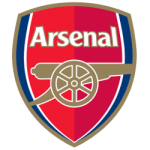
Fan reaction was decidedly mixed, with many supporters mourning the loss of traditional elements that had defined the club's visual identity since its inception in 1949. However, Arsenal's recent decision to feature only their iconic cannon on 2024/25 kits has been warmly received, demonstrating how heritage-focused changes can successfully bridge the gap between tradition and modern branding needs.
Chelsea
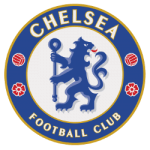
Persistent fan demands drove the transformation to restore the classic "lion and staff" design, coinciding with Roman Abramovich's ownership desire to reconnect the club with its roots. Unlike many logo changes, this backward step proved immensely popular, with supporters celebrating the return to tradition. The timing proved perfect, as the new badge quickly became synonymous with unprecedented success during Chelsea's back-to-back Premier League triumphs.
Tottenham Hotspur

The transformation came after extensive consultation with supporters, former players, and stakeholders, ensuring the modernization respected tradition while meeting contemporary branding needs. The sleek new cockerel appeared more athletic and elegant, ideally suited for digital platforms and global merchandise. Fans warmly embraced the change, praising Tottenham for achieving the delicate balance between honouring their past and preparing for the future, making their cockerel emblem one of English football's most recognisable symbols.
Brighton & Hove Albion
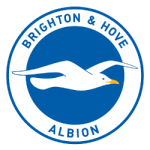
This nostalgic yet modern approach resonated deeply with supporters who had endured years of uncertainty and hardship. By reconnecting with their most popular historical design whilst ensuring digital compatibility, Brighton achieved the perfect marriage of sentiment and practicality. The seagull's strong local cultural significance made the redesign instantly meaningful, marking a triumphant new chapter.
Everton
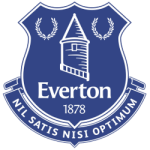
Recognising their misjudgement, Everton conducted extensive consultation with 20,000 fans, offering three redesign options that restored traditional elements whilst maintaining contemporary functionality. The winning design, receiving 78% support, reinstated Prince Rupert's Tower, the club motto, founding year 1878, and classic shield shape. This remarkable U-turn demonstrated how clubs can successfully recover from rebranding disasters by genuinely listening to their supporters and respecting heritage.
Summary of Premier League Clubs That Have Changed Their Club Logo
These Premier League badge transformations reveal the delicate balance between preserving heritage and meeting modern necessities. Successful changes - Chelsea's heritage restoration, Tottenham's elegant simplification, Brighton's rebirth symbolism, and Everton's crisis recovery - demonstrate that fan consultation and respect for tradition remain paramount.
Arsenal's mixed reception highlights the risks of prioritising commercial considerations over supporter sentiment. The common thread amongst well-received redesigns is their ability to honour club history whilst meeting contemporary branding demands. Whether driven by copyright concerns, stadium moves, or ownership changes, logo evolution succeeds when clubs genuinely engage their communities and understand that identity cannot be separated from the supporters who define it.
___
Sports Logo History is a vibrant community of sports logo enthusiasts who share a deep appreciation for the captivating histories behind each team's logo. We take pleasure in exploring the evolution of primary logos, alternate logos, and wordmark logos from renowned leagues such as the NFL, NBA, MLB, MLS, NHL, Premier League, WNBA, CFL, NCAA, UFL, ABA, USFL, AAF, and XFL. Immerse yourself in the intricate details and stories behind these iconic symbols that represent the essence of each team.
In the enthralling realm of sports, the battle of logos among different leagues unfolds as a captivating and ongoing spectacle. Step into the world of Sports Logo History, where we showcase the relentless pursuit of distinction by leagues such as the NFL, NBA, MLB, Premier League, and countless others. Witness the captivating journey as each league strives to create logos that not only capture the essence of their sport but also resonate deeply with fans.
Immerse yourself in the comprehensive sports history provided by Sports Team History, our esteemed partner site, where you can discover the triumphs, challenges, and defining moments that have shaped the legacies of professional sports teams. Stay up to date with the latest sports news through Sports News History, a platform delivering 24/7 coverage of highlights, player interviews, and game analyses. Additionally, express your unwavering support for your favorite teams by exploring Sports Store History, the premier sports team marketplace offering a vast selection of jerseys, memorabilia, and collectibles. Join our community today and celebrate the rich history, iconic logos, and passion of sports.
